Broadcast PR in 2026: Does anyone actually care?
'Broadcast isn't relevant in 2026 communications'
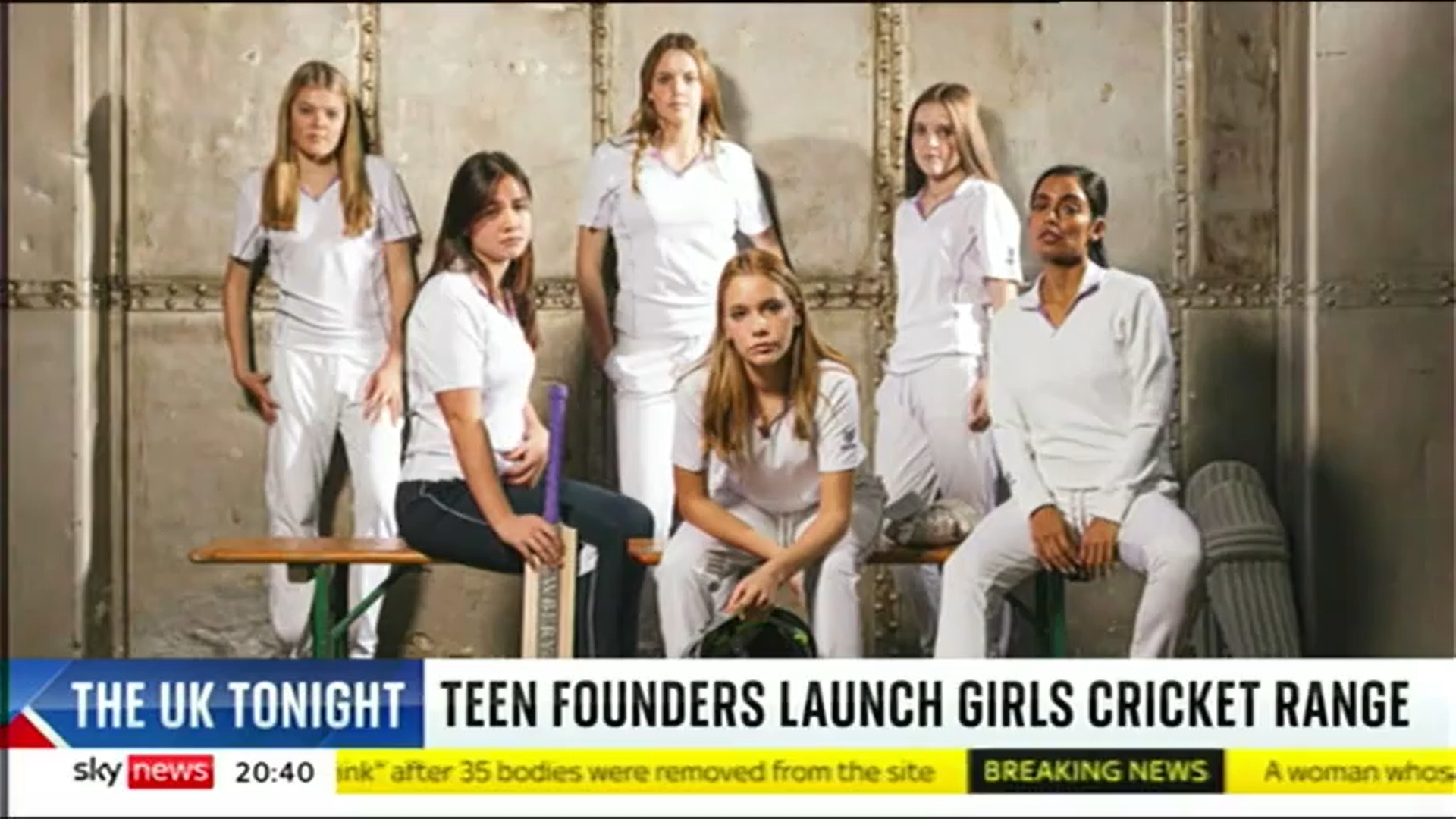
This is something we hear often as brands focus on their ‘digital’ strategies. But as we will delve into below, broadcast feeds your digital content and brings brands to life.
According to the latest RAJAR data, radio still reaches 50 million adults every week - roughly 86 % of the UK population - with more than one billion hours of content consumed per quarter. That level of reach remains unmatched by most digital platforms and shows that broadcast still forms a huge part of our daily lives.
So, with that in mind, it’s the most important question in PR - and the simplest: does anyone actually care?
PR isn’t written for brands. It’s written for journalists, who choose stories for their audience. If your story doesn’t matter to real people, it won’t make it out of the inbox.
As a rule of thumb, if you wouldn’t bring it up at a dinner party, it’s probably not a story.
Businesses are full of smart ideas and ambitious campaigns. But too often they drift into marketing territory, which of course serves its purpose but isn’t the aim of our game!
Marketing says, “look at us.” News says, “here’s something that matters - and why.”
In 2026, with tighter newsrooms and fiercer competition for attention, that distinction is everything. We use 5 filters to pressure-test every story:
Impact - Who does it affect, and why should they care?
Timeliness - Why now? What makes it relevant today?
Tension - What’s new, changing, surprising or challenging?
Proof - Is there credible data, insight or real-world evidence?
Bigger Than the Brand - Is this about more than “we launched something”?
If it fails these filters, it’s probably marketing - not news. But even a strong story can fall flat in broadcast if it isn’t delivered properly.
Broadcast in Present Day
The industry isn’t operating the way it did 5 or 10 years ago.
With restructuring across organisations like the BBC, increased regional hub models, shared production teams and centralised output, there are fewer people - producing more content - at a faster pace.
Stories need to be clearer, sharper and easier to execute and contributors need to be confident, concise and genuinely editorial.
Producers don’t have the time to mould a key messaging into a story, so it must arrive as one.
Regional still matters enormously, but increasingly within hub structures that serve multiple areas. That makes strong regional case studies even more valuable. If you can offer voices from different parts of the UK, you give producers flexibility and make their job easier.
And when you make a producer’s job easier, your increase your chances of getting noticed.
Spokespeople still matter!
An internal branded spokesperson needs to have an opinion that matters. This may sound obvious, but too often they’re media-briefed into neutrality and broadcast isn’t about reeling off approved marketing lines while sitting firmly on the fence. It’s about being able to express a clear, confident view on an issue and hold your own in a live conversation.
Broadcasters are journalists, so they are looking for a story - and often for tension. We can guide the conversation as much as possible, but spokespeople must be prepared to bridge challenging questions back to the topic at hand.
If they’re not confident doing that, media training and clear briefing isn’t a “nice to have” - it’s crucial.
Celebrities can be an incredible way to generate wider interest, but only when they’re genuinely relevant. A natural, authentic link to the story is essential - producers and audiences can see straight through a pay-day partnership, so this just won’t cut the mustard.
Case studies can be worth their weight in gold. They humanise your message and make it relatable. Better still, a range of case studies from different regions across the UK helps broadcasters tailor the story for regional audiences and makes it resonate far beyond a single postcode.
But we want national TV…
Everyone wants national TV. With this ambition in mind, we need to think visually from day one. For example:
How do we bring the interview to life?
Is there a live filming opportunity where a presenter can come on-site?
Can we pre-record in situ?
Do we have strong b-roll that genuinely showcases what we’re talking about?
Broadcast is a visual and audio medium so if it looks and sounds compelling, it stands a far better chance of piquing the interest of producers.
Busting myths on viewer/listenership
There’s a persistent belief that radio and TV are only effective if you’re targeting older demographics and this is simply not true.
Yes, traditional linear audiences remain strong, but broadcast content now lives far beyond its original slot. Interviews are clipped for social, shared across platforms, embedded online, and consumed on demand. Radio is streamed, TV is watched back and content travels far and wide.
If your audience exists in the real world, they are consuming broadcast - just not always in the way they were 10 years ago!
Dismissing radio and TV as “just for older people” means overlooking one of the most powerful credibility drivers available.
In summary…
Broadcast PR in 2026 is less about louder pitches and more about sharper stories, delivered by credible voices, backed by real people and brought to life in a big way.
The brands that win coverage don’t just promote activity. They connect it to something happening in the real world and they’re prepared to show up and talk about it confidently, showing why and how it matters
So, make sure your PR team is asking: would someone outside your business genuinely care?
If the answer isn’t obvious, that’s where the real work begins. Get in touch and let the unturned team help you uncover the story that makes people care.
Chat to our research team for more information: