The Games Industry Has Changed But Most PR Agencies Haven't.
Games no longer compete solely against other games. They compete for attention against everything else fighting for people's time, TikTok, YouTube, Netflix, creators, and live service titles engineered to keep players engaged indefinitely.
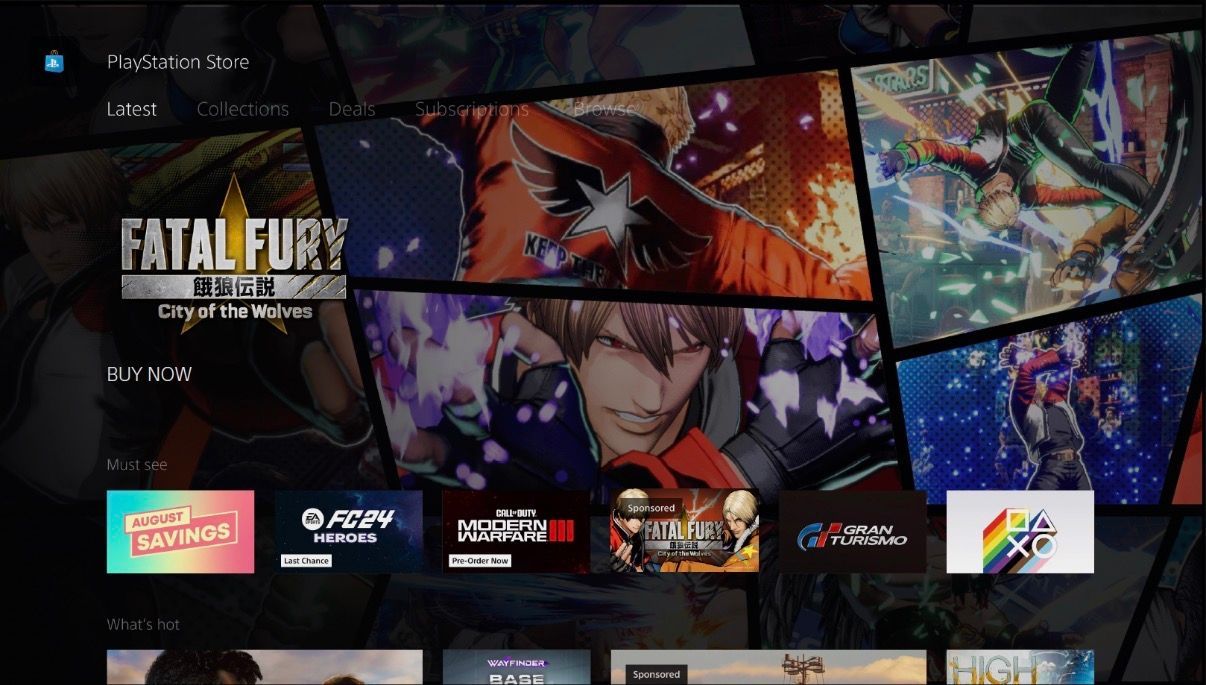
At the same time, 350+ games are launching on Steam every single week, whilst media teams continue to shrink and audience attention fragments further across platforms and communities.
The challenge for publishers now isn't simply generating coverage. It's generating attention.
That means the role of games PR has changed massively. Agencies can't really operate purely as press offices anymore. They need to understand creators, communities, timing, cultural relevance, platform behaviour, and narrative strategy alongside traditional media relations and that shift is something we think about constantly at unturned.
We adapt and evolve with what the market demands, but some things remain constant in PR, and that is relationships. Relationships not only with media, but with those across the industry and within communities, help games have a genuine chance of being seen and heard.
A Different Landscape
It's worth acknowledging how much the environment itself has changed. In an earlier era, games media held far more gatekeeping power, launches were more retail-driven, audiences consumed content across far fewer platforms simultaneously, there were considerably fewer releases, and the entertainment ecosystems competing for attention simply weren't operating at the scale they are today. All of that fed directly into how PR worked and how effective it could be.
The continued job layoffs of 2026 have compounded this, impacting not only studios but media outlets too, reducing editorial teams and leaving less room for editorial pieces to be published. Couple that with the controversial use of AI in development and on occasion in very few media and players gravitating towards subscription services, remaining loyal to fewer games, and the scope for media attention continues to shift with it.
The focus on media coverage has somewhat changed across key gaming outlets, but that doesn't mean good results are out of reach. You must know what makes media stand up and take notice – and as a PR professional, having knowledge and skills beyond traditional media relations is no longer a bonus; it's a necessity.
So, what are the factors that can catch the eye of media and convince them to cover your game?
Here are a few things to keep in mind:
Authenticity
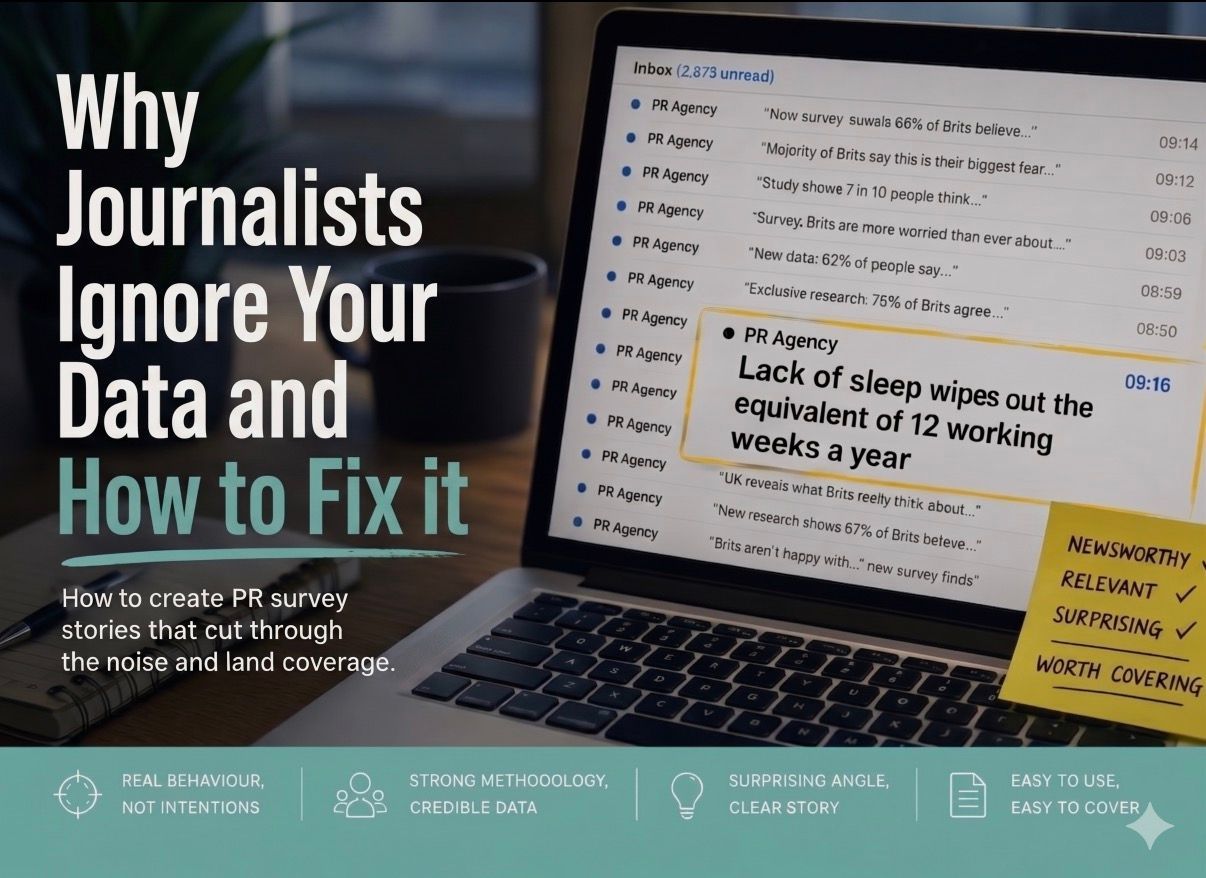
A big part of video games PR is generating news by providing the latest updates and crafting interesting stories that land with media. Any journalist can receive a press release and push it out as news, but it has to mean something for gamers and for media alike.
A press release alone isn't enough anymore. The story must genuinely mean something to the audience it's trying to reach.
The strongest campaigns now tend to be rooted in genuine insight, community understanding, cultural relevance, transparency, creator alignment, and narratives people actually want to participate in rather than simply consume. Audiences today are far more sensitive to manufactured hype, overpromising, and generic messaging than they've ever been – and they will find the faults in what's being pushed out.
Publishers and developers are far better received when they're transparent, manage expectations honestly, and avoid the kind of overpromising that leads to backlash. Be refreshing, but don't manufacture controversy just to make headlines.
Community
Building a community is what sustains interest from announcement through pre-orders and wishlists to eventual launch. For studios who don't have the budgets and backing of more established publishers, platforms such as Kickstarter and owned social media channels are great tools for building that community early at an earned level.
An engaged community of a sustainable size particularly in a genre that isn't too niche will naturally attract media attention from outlets keen to follow a game their audiences want to hear and read more about.
Timing
Phenomena in video game releases do occur. Look at a few well-known examples: Pokémon GO, Elden Ring, Among Us, PUBG, Helldivers 2, and the most remarkable example of all, Fortnite. Most of these sustained extraordinary player interest because they offered fun, unique, and social experiences, bolstered by fortunate timing entering the market at the beginning of an upward trend in their genre before hitting its peak in both social buzz and concurrent players.
Predicting when the timing is right for a PR campaign to produce explosive results isn't entirely impossible. Analysing market trends, placing key beats, and selecting a release window where competitor titles aren't dominating the conversation whilst still remaining topical enough to take advantage of a gap in the market – is a discipline in itself, but a vital one.
Heritage
Video games have been around for over half a century, ever since the first home console made it possible to enjoy gaming from the comfort of your own sofa in 1972 with the Magnavox Odyssey. More memorable early entries followed, with the Atari 400 and 800 launching in 1979 and the best-selling Commodore 64 arriving in 1982. That's a lot of games developed and brought to market over the decades.
For PR, heritage can play a meaningful role in garnering media interest. A truly reputable developer or development team with a proven track record can generate real anticipation, giving media every reason to cover the latest project given the audience already waiting for it.
Creators
What may seem obvious in this era of PR wasn't always the case creators weren't something PR professionals could rely on as they simply didn't exist, and the number of media personalities with video platforms wasn't what it is today.
Whether through earned relationships or commercial collaboration, identifying the most suitable creators across YouTube, Twitch, Kick, TikTok, and Instagram can be the difference between a quiet launch and one that cuts through, particularly when working with influential creators who command global audiences. Picking creators who actively play games within specific genres ensures you're reaching the core audience needed to drive both awareness and genuine popularity.
It can take one organic video from one creator with a global reach to turn the wheel of fortune in your favour. Creators are non-negotiable for any PR campaign worth its salt.
Events
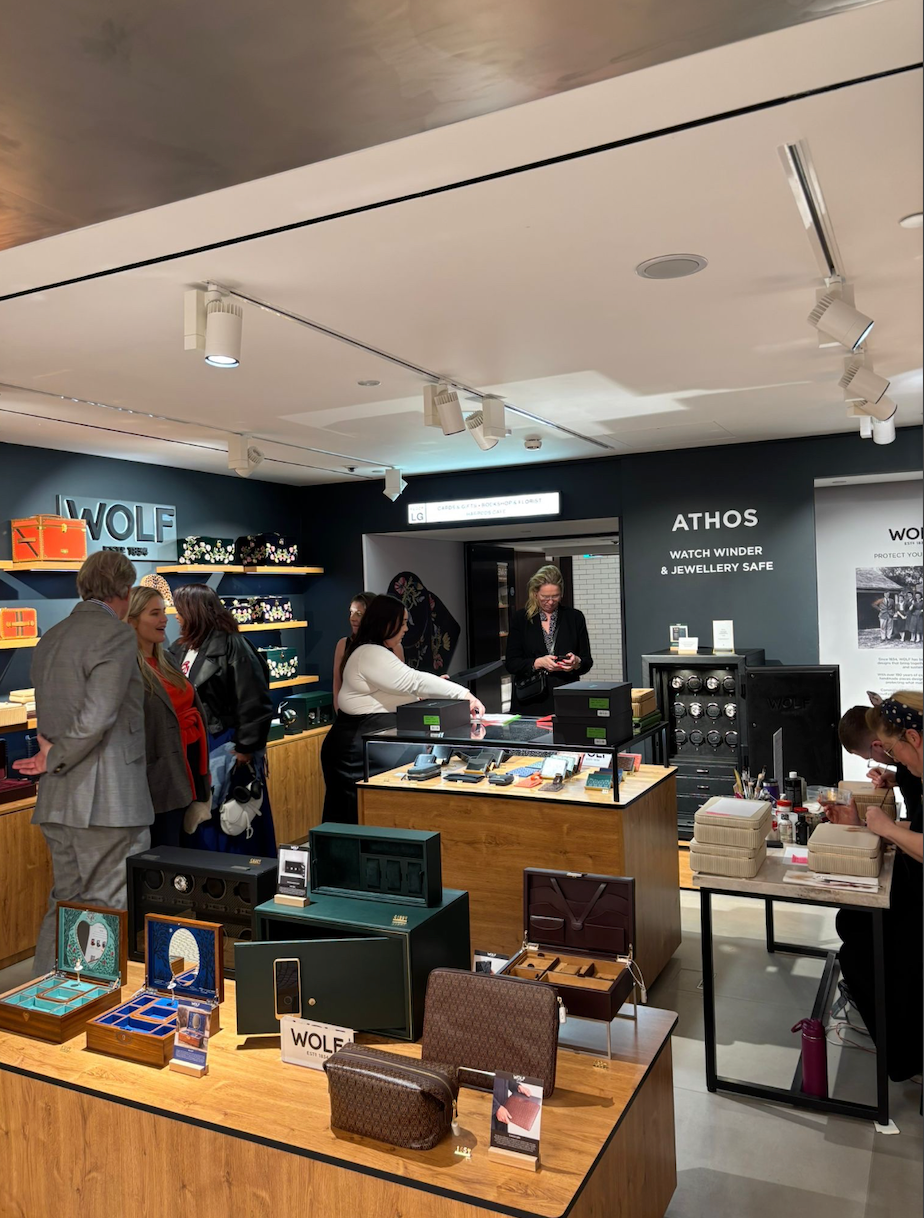
Physical events such as E3 and EGX Expo may not exist in the same capacity as before, or in some cases, at all, but they still play a meaningful role. The key with events now, particularly around preview and review cycles, is less about mere presence and more about education and immersion.
The best events take media, creators, and communities along for the journey and help them properly understand not just what the game is, but why it matters, what makes it different, and where it fits culturally. In an increasingly crowded market, getting meaningful hands-on time, direct developer access, and genuine storytelling opportunities in front of the right people can still massively influence perception and long-term momentum around a title.
Physical events may look very different to the E3 era, but the value of shared experiences, early advocacy, and relationship building absolutely hasn't disappeared. Key media continue to attend events such as Summer Game Fest, now firmly established as the definitive summer tentpole gaming event, and being present gives media the opportunity to discover titles that may not have been on their radar.
Platform Holder Support
Something that can't be overlooked in video games PR is first-party support from platform holders. Reaching millions of players through PlayStation, Xbox, and Nintendo is an effective way to promote games directly to those playing on those platforms, whether through trailer placements on platform holder social channels, guest developer blogs, or collaborating on a deeper level to bolster the credibility and visibility of the game.
Quality
Simply put… make great games. Every developer has immense pride in what they're creating, and it'd be remiss not to acknowledge that budgets, tools, talent, and sheer hard work are enormous factors in game development. Hundreds, thousands, millions of players enjoy games across every level, from AAA to indie. But for media to cover a game, it needs that unique selling point, it needs to play well, and ultimately, it needs to resonate with their audience.
In Summary
In many ways, the fundamentals of PR haven't actually changed. Great storytelling, strong relationships, timing, credibility, and genuinely understanding audiences still matter enormously.
What's changed is the environment around it.
Games now launch into a fragmented entertainment ecosystem where attention is pulled across creators, communities, platforms, live service titles, and endless content competing for people's time daily. Modern games PR can no longer operate purely as a press office function focused on media outreach alone.
The strongest campaigns today are integrated from the start. They understand community behaviour, creator ecosystems, platform dynamics, cultural relevance, and how to build sustained attention around a title over time, not simply coverage at launch.
The games industry has changed significantly over the last decade. The role of communications within it has had to evolve too.
The agencies that survive the next decade of gaming won't behave like press offices. They'll behave like strategic attention partners.
unturned works with publishers and entertainment brands across communications strategy, launch campaigns, creator partnerships, and western market positioning across the UK, EU, and MENA.
Whether you have an upcoming project, campaign or launch that you’d like to discuss with us, feel free to reach out:
Contact Us